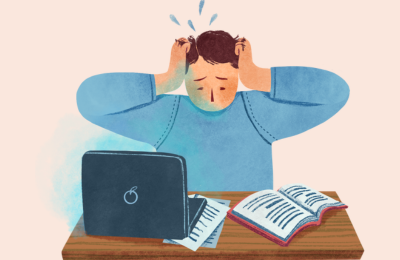
Most people experience stress from time to time. Deadlines, responsibilities, family obligations, financial pressures, and major life changes can all take a toll on emotional well-being. However, when stress becomes constant and overwhelming, it can develop into burnout. Emotional burnout is more than simply feeling tired after a busy week. It is a state of deep emotional, mental, and physical depletion that can affect nearly every area of life.
Recognizing the signs of emotional burnout early can help prevent more serious consequences and make recovery easier. Understanding what burnout looks like is the first step toward restoring balance, energy, and overall well-being.
Emotional burnout occurs when prolonged stress leaves a person feeling overwhelmed, drained, and unable to cope effectively. It often develops gradually, making it difficult to recognize until symptoms become severe.
Unlike temporary stress, burnout tends to persist even when immediate pressures decrease. Someone experiencing burnout may feel emotionally detached, constantly fatigued, or unable to find enjoyment in activities they once loved.
Burnout can affect people in any stage of life. It is commonly associated with demanding jobs, caregiving responsibilities, academic pressures, or ongoing personal challenges. Over time, chronic stress can contribute to both emotional exhaustion and reduced resilience, making everyday tasks feel increasingly difficult.
The symptoms of burnout can vary from person to person, but several warning signs are particularly common.
These may include:
Many people initially dismiss these symptoms as ordinary stress. However, when they continue for weeks or months, they may indicate a deeper issue that requires attention.
One of the most recognizable signs of burnout is emotional exhaustion. This often feels like having nothing left to give emotionally, regardless of how much rest or downtime you try to take.
People experiencing emotional exhaustion may:
Alongside this, many people experience mental exhaustion. Mental exhaustion can affect focus, memory, decision-making, and problem-solving abilities. Tasks that once seemed manageable may suddenly require far more effort and concentration.
When emotional and mental resources become depleted, even ordinary daily responsibilities can begin to feel overwhelming.
Burnout does not only affect emotions and thoughts. It often creates physical symptoms as well.
Common physical signs include:
The body and mind are closely connected. When stress remains elevated for long periods, physical symptoms often emerge alongside emotional struggles.
Many people reach a point where they feel mental and physical exhaustion simultaneously, making recovery more challenging without intentional self-care and support.
Chronic stress can gradually wear down both mental and physical reserves. Over time, the body's stress response remains activated for longer than it was designed to, leading to significant fatigue and reduced functioning.
People experiencing mental and physical exhaustion may notice:
This level of exhaustion is often a sign that stress has exceeded the body's ability to recover effectively. Ignoring these warning signs can increase the risk of more severe burnout and other health concerns.
Burnout rarely develops because of a single event. It is usually the result of ongoing stressors that accumulate over time.
Common causes include:
Excessive Work Demands
Heavy workloads, unrealistic expectations, and long working hours can create chronic pressure that contributes to burnout.
Caregiving Responsibilities
Caring for children, aging parents, or loved ones with health conditions can be emotionally demanding, especially without adequate support.
Lack of Work-Life Balance
When responsibilities consistently outweigh opportunities for rest and enjoyment, recovery becomes difficult.
Financial Stress
Persistent financial concerns can create ongoing anxiety and emotional strain.
Perfectionism
People who place extremely high expectations on themselves may be more vulnerable to burnout because they rarely feel satisfied with their efforts.
Burnout can have far-reaching effects beyond work or specific responsibilities.
It may impact:
People experiencing burnout often withdraw from social activities, struggle to maintain healthy habits, and find it difficult to engage fully in daily life.
The combination of mental exhaustion and emotional fatigue can make even enjoyable activities feel like obligations rather than sources of pleasure.
Recovery from burnout takes time, patience, and intentional changes. There is rarely a quick fix, but several strategies can support healing.
Prioritize Rest
Meaningful rest involves more than simply sleeping. It may include reducing commitments, setting boundaries, and allowing time for recovery.
Identify Stress Sources
Understanding what is contributing to burnout can help you make practical adjustments where possible.
Reconnect With Enjoyable Activities
Small moments of enjoyment can gradually help restore emotional energy.
Strengthen Support Systems
Talking with trusted friends, family members, or support groups can reduce feelings of isolation.
Practice Self-Compassion
Many people experiencing burnout blame themselves for struggling. Treating yourself with the same kindness you would offer a friend can support recovery.
Professional support can be extremely valuable for individuals experiencing persistent burnout. A therapist can help identify underlying stressors, develop healthier coping strategies, and address patterns that may contribute to chronic stress.
Many people benefit from therapy for burnout because it provides a structured environment to explore challenges and build sustainable recovery habits.
A mental health professional can also help distinguish burnout from other conditions that may have similar symptoms, such as anxiety or depression.
For individuals experiencing severe emotional exhaustion, professional guidance may play an important role in the recovery process.
While mild burnout symptoms may improve with rest and lifestyle changes, some situations require additional support.
Consider seeking professional help if:
Seeking therapy for burnout is not a sign of weakness. It is a proactive step toward protecting your mental and physical health.
Emotional burnout is a serious response to prolonged stress that can affect emotional well-being, physical health, relationships, and daily functioning. Signs such as chronic fatigue, loss of motivation, irritability, emotional detachment, and difficulty concentrating should not be ignored. Burnout often develops gradually, making early recognition especially important. By addressing stressors, prioritizing recovery, building healthy boundaries, and seeking support when needed, it is possible to regain energy, resilience, and a greater sense of balance. If symptoms persist or become overwhelming, professional support can provide valuable tools for recovery and long-term well-being.
How do I know if I am emotionally burned out?
Common signs include persistent fatigue, emotional detachment, irritability, loss of motivation, difficulty concentrating, and feeling overwhelmed by everyday responsibilities.
Why do I feel emotionally exhausted all the time?
Ongoing stress, excessive responsibilities, lack of rest, and emotional strain can contribute to chronic feelings of emotional exhaustion.
Why am I mentally exhausted even after resting?
Mental fatigue may persist when stress remains unresolved. Even after physical rest, ongoing worries and emotional pressure can continue to drain mental energy.
How can I tell the difference between stress and burnout?
Stress often involves feeling overwhelmed but still engaged, while burnout is characterized by emotional depletion, reduced motivation, and feelings of detachment or hopelessness.
Why have I lost motivation to do things I normally enjoy?
Burnout can reduce emotional energy and enthusiasm, making once-enjoyable activities feel less rewarding or meaningful.
Why do I feel tired all the time but cannot properly relax?
Chronic stress can keep the body in a heightened state of alertness, making it difficult to fully relax even when opportunities for rest are available.
Can burnout cause physical symptoms?
Yes. Burnout can contribute to headaches, muscle tension, digestive issues, sleep problems, weakened immunity, and ongoing fatigue.
How long does emotional burnout usually last?
Recovery varies from person to person. Some individuals improve within weeks, while others may need several months, especially if burnout has been present for a long time.
What can I do when I feel completely mentally and physically exhausted?
Focus on rest, reduce unnecessary demands, seek support from trusted individuals, prioritize self-care, and consider professional guidance if symptoms persist.
How can I recover from emotional burnout?
Recovery often involves setting boundaries, managing stress, improving work-life balance, reconnecting with enjoyable activities, and developing healthy coping strategies.
Can therapy help with burnout?
Yes. Therapy can help identify stress patterns, build resilience, improve coping skills, and support long-term recovery from burnout.
When should I see a therapist for burnout?
Consider seeing a therapist if symptoms are persistent, worsening, affecting daily functioning, or making it difficult to manage responsibilities and relationships.