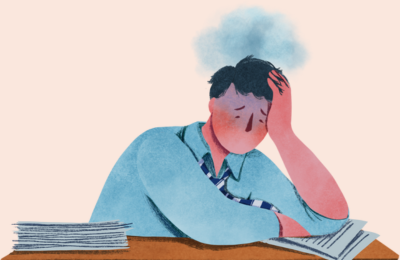
Exam season can feel like one of the most stressful parts of being a student. Trying to keep up with revision, assignments, and expectations from yourself or others can quickly become overwhelming. A little stress can sometimes help you stay motivated, but when it starts affecting your sleep, mood, or ability to focus, it can become harder to handle. Recognising the early signs of stress gives you a chance to make changes before it starts taking a bigger toll on your wellbeing. Understanding the causes of stress and finding coping strategies that work for you can make exams feel more manageable and help you feel more prepared.
Every student experiences exam pressure differently, but several factors tend to contribute to anxiety during this period. Common causes of stress include fear of failure, unrealistic expectations, lack of preparation, heavy workloads, time management challenges, and comparing yourself with classmates. Personal circumstances such as family pressures, financial concerns, or poor sleep can also increase stress levels.
Identifying what is causing your stress is the first step towards managing it effectively. Instead of trying to tackle everything at once, break your revision into smaller, achievable goals and focus on one task at a time.
Recognising stress symptoms early can prevent them from becoming overwhelming. Students often experience emotional, physical, behavioural, and cognitive changes when stress begins to build.
Some common stress symptoms include:
These stress symptoms may appear gradually or suddenly, especially as exam dates approach. Paying attention to these warning signs allows students to seek support, adjust their study routine, and prioritise self-care before stress begins to affect their performance.
Persistent exam stress can affect far more than grades. High stress levels can reduce concentration, make it harder to retain information, and lower confidence during exams. Students may spend hours studying but struggle to recall what they have learned because anxiety interferes with memory and decision-making.
Beyond academics, prolonged stress can impact emotional wellbeing. Students may experience mood swings, frustration, low motivation, or social withdrawal. Physical health can also suffer through headaches, fatigue, weakened immunity, or disrupted sleep. Taking stress seriously helps protect both academic success and overall health.
Developing healthy routines before exams makes a significant difference. The most effective stress management strategies focus on preparation, consistency, and self-care rather than last-minute cramming.
Start by creating a realistic revision timetable that breaks subjects into manageable sections. Study in focused sessions, such as using the Pomodoro Technique, followed by short breaks to maintain concentration.
Other helpful stress management strategies include:
These habits help students feel more prepared while reducing unnecessary anxiety.
Simple routines can make a noticeable difference during exam season. Some effective ways to relieve stress include taking short walks, stretching between study sessions, listening to calming music, or practising breathing exercises whenever anxiety begins to rise.
On exam day, prepare everything the night before, arrive early, and avoid discussing difficult topics with classmates immediately before the test. Reading each question carefully and taking a few slow breaths before starting can improve focus.
Finding ways to relieve stress that suit your personality is important because every student responds differently. Some people relax through exercise, while others benefit from journaling, meditation, or talking with a trusted friend.
Healthy daily habits provide a strong foundation for managing exam pressure. Aim for seven to nine hours of quality sleep each night, as sleep helps the brain process and retain information. Eating balanced meals and staying hydrated also improve concentration and energy levels.
Regular physical activity, even a short walk or stretching session, releases endorphins that naturally improve mood. Taking scheduled breaks prevents burnout and allows your mind to recharge.
Maintaining social connections is equally important. Talking with family, friends, teachers, or classmates can provide encouragement and remind you that you are not facing exam stress alone.
While some exam anxiety is normal, there are times when professional support is needed. If stress becomes overwhelming, lasts for several weeks, interferes with sleep or daily activities, or causes persistent feelings of panic, sadness, or hopelessness, it is important to reach out for help.
Speak with a parent, teacher, school counsellor, or mental health professional if you feel unable to cope. Seeking support is a sign of strength, not weakness, and early intervention can make a significant difference.
How can I manage stress during exam season?
Create a realistic study schedule, take regular breaks, maintain healthy sleep habits, exercise regularly, and use relaxation techniques such as deep breathing or mindfulness to stay focused and calm.
What are the most common stress symptoms students experience?
Students commonly experience difficulty concentrating, anxiety, irritability, headaches, muscle tension, fatigue, sleep problems, changes in appetite, and feeling overwhelmed during exam periods.
When should I seek help for exam-related stress?
Seek support if stress feels unmanageable, affects your daily routine, causes ongoing emotional distress, or prevents you from sleeping, studying, or enjoying everyday activities.
Can exam stress affect mental and physical health?
Yes. Prolonged exam stress can contribute to anxiety, low mood, fatigue, headaches, weakened immunity, digestive issues, and difficulty concentrating. Managing stress early helps protect both mental and physical wellbeing.
What is the best way to stay calm on exam day?
Prepare your materials the night before, arrive early, practise slow breathing if you feel nervous, read each question carefully, and focus on doing your best rather than striving for perfection.