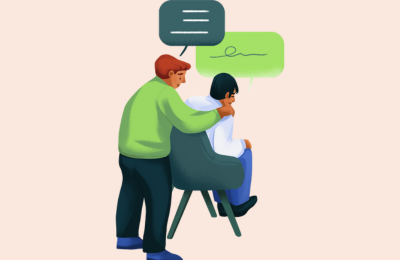
Emotional exhaustion is a state of feeling emotionally drained, overwhelmed, and unable to cope due to prolonged stress. It is one of the core symptoms of emotional burnout, often caused by ongoing mental load without adequate rest or recovery.
In women, emotional exhaustion is especially common due to the constant balancing of personal, professional, and social responsibilities. If left unaddressed, it can increase the risk of depression and impact overall well-being.
Emotional exhaustion in women often develops gradually. What begins as everyday stress from work, caregiving responsibilities, and personal expectations can slowly turn into persistent mental and emotional fatigue.
When this exhaustion continues for long periods without adequate rest or support, it can significantly increase the risk of depression.
According to the World Health Organization (WHO), depression affects more than 280 million people globally, and women are almost twice as likely as men to experience depression. Data from the National Institute of Mental Health (NIMH) also shows that women report higher rates of major depressive episodes compared to men.
These numbers highlight the importance of paying close attention to women’s mental well-being.
Recognizing the early signs of depression can help identify emotional strain before it becomes overwhelming. Depression does not always appear as sadness. Many women experience irritability, fatigue, anxiety, and difficulty concentrating long before they recognize what is happening.
This article explores the warning signs women should not ignore, how hormonal changes affect emotional health, and practical strategies to recover. It also outlines daily habits that support long-term mental well-being.
Emotional exhaustion is more than feeling tired after a stressful week. It is one of the most overlooked symptoms of emotional burnout, especially when stress becomes chronic.
Women often juggle multiple roles at once. Over time, this constant pressure can lead to emotional depletion.
Causes of Emotional Exhaustion
When these demands persist without recovery, they lead to long-term symptoms of emotional burnout such as fatigue, detachment, and reduced motivation.
At first, this may show up as low energy or irritability. But over time, it can evolve into more serious mental health concerns, including depression.
Persistent sadness is only one part of depression. Many women experience a mix of emotional, cognitive, and physical symptoms.
Key Signs of Burnout in Women
Some of the most common early signs of depression and signs of burnout in women include:
1. Anxiety or irritability
Instead of sadness, many women feel constantly on edge. This is one of the early symptoms of emotional burnout.
2. Feelings of hopelessness or worthlessness
Negative self-perception can intensify, making everyday challenges feel overwhelming.
3. Loss of interest in activities
Things that once felt enjoyable may begin to feel exhausting or meaningless.
4. Persistent fatigue
A key sign of burnout in women, where rest no longer feels restorative.
5. Difficulty concentrating
Brain fog, forgetfulness, and indecision are common but often ignored symptoms of emotional burnout.
6. Sleep and appetite changes
Disruptions in sleep cycles or eating patterns can signal deeper emotional distress.
7. Physical symptoms
Headaches, body aches, and digestive issues may appear without a clear medical cause.
Recognizing these signs of burnout in women early can prevent emotional exhaustion from progressing into severe depression.
Hormonal shifts across life stages can influence mood and emotional stability, increasing vulnerability to depression.
Premenstrual Dysphoric Disorder (PMDD)
A severe form of PMS marked by intense emotional and physical symptoms that disrupt daily life.
Perinatal and Postpartum Depression
Postpartum Depression occurs after childbirth and is a serious condition that goes beyond temporary “baby blues.”
Symptoms may include:
Without support, this can significantly increase the risk of depression long-term.
Perimenopausal Depression
Hormonal fluctuations during perimenopause can lead to mood instability, anxiety, and sleep disturbances, even in women with no prior mental health concerns.
Recovering requires intentional care. Ignoring burnout often worsens symptoms.
Coping Strategies That Help
Here are effective ways to address symptoms of emotional burnout:
These strategies directly address the root signs of burnout in women and promote sustainable recovery.
Small, consistent habits can strengthen emotional resilience.
Sustainable Practices for Mental Health
Over time, these habits help reduce the risk of depression and improve overall emotional stability.
1. What are the early signs of depression in women?
Early signs may include persistent fatigue, irritability, anxiety, difficulty concentrating, loss of interest in activities, and changes in sleep or appetite.
2. How does emotional exhaustion affect mental health?
Emotional exhaustion can weaken emotional resilience over time and increase the risk of depression if stress continues without recovery.
3. Are hormonal changes linked to depression in women?
Yes. Hormonal transitions such as PMDD, pregnancy and postpartum periods, and perimenopause can influence mood and increase vulnerability to depression.
4. How can women start recovering from emotional exhaustion?
Recovery often involves rest, emotional support, therapy, healthy boundaries, and lifestyle changes that support mental health.
5. What daily habits help improve emotional wellbeing?
Good sleep, regular exercise, proper nutrition, mindfulness practices, social connection, and spending time outdoors are simple habits that help strengthen emotional health.