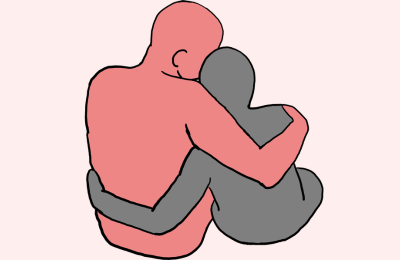
Depression awareness refers to understanding what depression is, recognizing its symptoms, reducing mental health stigma, and encouraging people to seek help without fear or shame. It plays a key role in building a society where conversations around emotional well-being are normal and supported.
According to the World Health Organization (WHO), over 280 million people globally experienced depression in 2021. Yet, many suffer in silence because of mental health stigma and misconceptions.
Depression is often called the “silent epidemic.” It can affect anyone, regardless of age, gender, or background, but because it’s not always visible, it’s often misunderstood. Raising mental health awareness is essential to creating a society where seeking help is normal, and people feel safe to share their struggles. This blog explains the importance of understanding depression, highlights the power of awareness, and shares tips on how to raise depression awareness effectively.
Imagine trying to walk while carrying a huge bag full of bricks. Some days the bag is lighter, but other days it’s so heavy you can barely move. Depression feels like that—it makes everything feel harder than it really is.
People with depression might:
But here’s the good news: Depression can be treated, and people can feel better with help. Therapy, medicine, and support from friends and family are ways to get depression relief and feel happy again.
Talking about feelings and mental health helps everyone understand what depression is. It can also make it easier for people to get help when they need it.
Open conversations reduce mental health stigma, making it easier for individuals to express what they’re going through without fear of judgment. When people hear others speak openly, it normalizes these experiences and builds empathy. This is especially important in communities where emotional struggles are often ignored or dismissed.
Breaking Myths
Some people think depression is just being sad, but it’s more than that. By talking about depression, we help others understand that it’s a real problem that needs care, just like a cold or a broken arm.
Helping Early
When we know the signs of depression, we can help someone before it gets worse. Think of it like fixing a tiny crack in a wall before it becomes a big hole. Early help leads to faster recovery.
Building Support
When people talk about their feelings, it helps others understand and support them. It’s like holding an umbrella for someone during a storm—you’re helping them get through it.
Recognizing the signs of depression is an important step in helping yourself or someone else. While experiences may differ, some common signs of depression include:
Understanding these signs allows for early intervention and encourages people to seek the support they need.
Starting conversations about mental health can feel difficult, but small steps can make a big difference. Begin by creating a safe and non-judgmental space where people feel comfortable sharing.
You can ask simple, open-ended questions like “How have you been feeling lately?” or “Do you want to talk about anything?” Listening without interrupting or offering quick solutions is key. Sometimes, just being present is enough.
Using everyday situations like discussing stress at work or school, can also make these conversations feel more natural. Over time, these small efforts contribute to stronger relationships and promote mental health awareness in daily life.
Raising awareness means teaching others about depression and how to help. Here’s how you can do it:
Talk About Feelings
Ask your friends and family how they’re doing, not just about school or work but about their feelings too. It’s okay to say, “I’m here if you want to talk.”
Share Stories
When you hear about someone’s struggle with depression, sharing their story can help others understand they’re not alone.
Join Campaigns
Participate in events like World Mental Health Day. These events are great for learning and spreading depression awareness in your community.
Use Simple Examples
To explain depression, use examples like the heavy bag of bricks or a stormy day. These help people imagine how hard it can be.
Share Help Resources
If you know someone who might be feeling depressed, share helpline numbers or professional resources. Making help visible and accessible can reduce hesitation caused by mental health stigma.
Some common ideas about depression aren’t true. Let’s look at a few:
When we learn about depression, we don’t just help people who are struggling; we help entire communities. For example, schools that teach about mental health create safer spaces for students to share their feelings. Families who talk about depression build stronger bonds.
Talking about mental health also helps people stay healthy overall. It’s like planting a tree: the more we take care of it, the stronger it grows.
Depression is tough, but help is always available. By talking about it, learning more, and supporting each other, we can make sure no one feels alone. Together, we can create a world where everyone feels safe to share their feelings and seek help when they need it.
Why is depression awareness important?
Depression awareness helps people understand that depression is a real and treatable condition. It reduces mental health stigma, encourages early help-seeking, and creates supportive environments where individuals feel safe to talk about their struggles.
How can talking about mental health help?
Talking about mental health promotes mental health awareness by normalizing conversations around emotions and struggles. It helps people feel less alone, encourages them to seek support, and plays a key role in breaking down mental health stigma.
What are early signs of depression?
Some early signs of depression include persistent sadness, low energy, loss of interest in activities, changes in sleep or appetite, and difficulty concentrating. Recognizing these signs of depression early can help individuals seek support before symptoms worsen.
How do I support someone with depression?
You can support someone by listening without judgment, being patient, and encouraging them to seek professional help if needed. Simple actions like checking in regularly, offering reassurance, and spending time with them can make a meaningful difference.
How can I raise awareness in my community?
You can raise depression awareness by starting conversations, sharing reliable information, participating in mental health campaigns, and promoting access to support resources. Even small actions can help reduce mental health stigma and build a more understanding community.