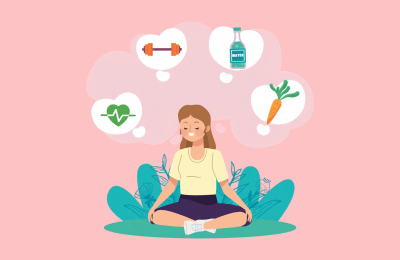
Exam preparation can be an intense period for students and their families. Parents often worry about their child’s readiness for exams, but academic performance is only one part of the concern. Parents also wonder whether their child is eating properly, sleeping enough, and managing the emotional stress that often accompanies exams.
These concerns have become more pronounced with the rise of digital learning. While some students adapt well to online classes, others find it difficult to stay engaged without direct interaction with teachers and classmates. For many, learning happens more effectively through face-to-face discussion and peer collaboration.
The larger context in India makes this issue even more urgent. According to the National Crime Records Bureau (NCRB) “Accidental Deaths & Suicides in India” report (2023), 13,892 student suicides were recorded, reflecting a steady rise over the past decade.
Further analysis published in the Indian Journal of Psychiatry (2023) highlights that exam failure and academic stress are significant contributing factors, with over 2,000 student suicides linked specifically to exam-related failure in recent years.
Additional data from NCRB reports also indicates that students account for a growing proportion of total suicides in India, underlining the emotional burden associated with academic expectations.
These findings make it clear that academic pressure is not just an educational issue but a serious public health concern. Strengthening emotional support systems for students is no longer optional—it is essential.
Students often face multiple pressures at the same time. Some common causes include:
Fear of failing exams
Without proper coping strategies, these pressures can lead to anxiety, burnout, and depression. Implementing thoughtful student depression relief strategies can help students navigate these challenges more effectively.
Healthy coping habits play a major role in maintaining emotional balance during exam preparation. The following stress relief techniques can help students manage academic pressure more effectively.
1. Balanced Study Schedules
Studying for long hours without breaks can increase fatigue and reduce productivity. Short breaks between study sessions improve concentration and prevent burnout.
2. Physical Activity
Exercise is a powerful stress reducer. Activities like walking, cycling, sports, or yoga help release endorphins and improve mood.
3. Mindfulness and Relaxation Practices
Simple breathing exercises, meditation, and mindfulness techniques can help calm exam anxiety and improve focus.
4. Healthy Sleep Habits
Adequate sleep is essential for memory retention and emotional stability. Students should avoid late-night cramming sessions whenever possible.
5. Social Connection
Talking with friends, family members, or teachers can ease emotional pressure. Open conversations help students feel supported rather than isolated.
Practicing these habits consistently can help students build resilience during stressful academic periods.
6. Proper Nutrition
Eating balanced meals and staying hydrated helps maintain energy and focus. Avoid skipping meals and limit junk food or excess caffeine during exams.
Schools have a significant influence on students’ emotional health. Implementing mental health awareness activities for schools can help normalize conversations about stress and emotional well-being.
Examples of useful initiatives include:
These initiatives encourage students to seek help early and develop confidence when facing academic challenges.
Students experiencing emotional distress should know that help is available. Several government-supported and institutional helplines provide confidential counselling.
Phone: 14416 or 1-800-891-4416
Tele-MANAS (Tele Mental Health Assistance and Networking Across States) is a nationwide mental health support service launched by the Government of India. It provides 24/7 tele-counseling services and connects individuals to trained mental health professionals who can offer guidance and emotional support.
Phone: 844 844 0632
MANODARPAN is an initiative launched by the Ministry of Education during the COVID-19 pandemic to support the mental health and emotional well-being of students, teachers, and families.
The program includes several psychosocial support activities and provides tele-counselling through a national toll-free helpline (844 844 0632). It offers assistance to students from schools, colleges, and universities who may be experiencing stress, anxiety, or other emotional concerns.
Phone: 9152987821
iCALL, run by the Tata Institute of Social Sciences, provides professional counseling and emotional support services. It is widely used by young people and students seeking guidance for academic stress, relationship challenges, or emotional difficulties.
These services are part of broader efforts across the country to make mental health help more accessible to young people.
Parents play a critical role in shaping how students perceive academic success and failure. A supportive home environment can significantly reduce stress.
Helpful approaches include:
Students often perform better academically when they feel emotionally secure and understood at home.
Academic achievement should not come at the cost of emotional well-being. Schools, families, and communities must work together to prioritize mental health alongside academic success.
Promoting open conversations about emotional health, creating supportive learning environments, and ensuring access to counseling resources can help students develop resilience and confidence.
Exams are important milestones, but they should never define a student’s self-worth or future potential.
1. Why is student mental health important during exams?
Exams often create high levels of stress and anxiety. Supporting emotional well-being helps students maintain focus, stay motivated, and avoid long-term psychological challenges.
2. What are some effective ways students can manage exam stress?
Students can benefit from balanced study schedules, regular physical activity, relaxation techniques such as meditation, adequate sleep, and open conversations with trusted adults.
3. What are common signs of academic stress in students?
Signs may include irritability, sleep problems, difficulty concentrating, withdrawal from social activities, headaches, or sudden changes in behavior.
4. How can parents help children cope with academic pressure?
Parents can support children by encouraging effort instead of perfection, maintaining a positive home environment, listening to concerns, and ensuring healthy routines.
5. Where can students seek immediate mental health support in India?
Students can reach out to national and institutional helplines such as Tele-MANAS (14416 / 1-800-891-4416), MANODARPAN (844 844 0632), and iCALL (9152987821) for confidential counseling and emotional support.