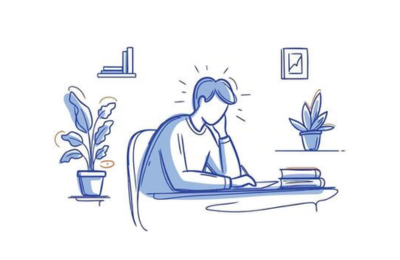
Over the past decade, the conversation around mental well-being has shifted in a way that would have seemed unlikely not too long ago. What was once avoided is now discussed openly in workplaces, homes, and public forums. This growing mental health awareness has been shaped not just by professionals, but also by public figures, high-performing athletes, and artists who have shared their personal struggles.
This shift highlights the importance of mental health in everyday life. People are more willing to acknowledge when they are struggling, and that openness has reduced stigma in meaningful ways.
But awareness alone is not enough.
A quieter issue has started to emerge. Many people can now name what they are feeling, but they remain stuck in rumination. They understand their emotions, they talk about them, but they do not always move toward change. Awareness, in many cases, stops at identification.
Part of this comes from the rise of self-diagnosis. With so much content available online, it is easy to rely on quick explanations or short-form content that oversimplifies complex experiences. While this can sometimes help people feel seen, it can also lead to confusion. Not every difficult phase is a disorder, and not every trait needs a label. Misinformation from unreliable sources has made it harder to understand what actually requires attention.
Understanding the challenges of mental health is important, but it is only the first step. The real shift happens when awareness turns into action.
These are simple, practical actions. You do not need to do everything at once. Even a few of these, done consistently, can help you move forward.
1. Build a basic daily routine
Wake up and sleep at similar times. Add simple anchors like meals, breaks, or a short walk. Structure reduces decision fatigue and creates stability.
2. Limit overwhelming content
Be mindful of what you consume online. Reduce exposure to content that increases anxiety, comparison, or overthinking.
3. Interrupt overthinking with action
When you notice yourself spiraling, shift to a small physical task. Clean something, step outside, stretch, or write your thoughts down briefly.
4. Move your body regularly
Even light activity like walking or stretching can improve mood, reduce stress, and help clear mental clutter.
5. Stay connected to someone you trust
You do not need a large support system. One honest conversation with someone you trust can make a real difference.
6. Set small, achievable goals
Focus on one or two realistic tasks a day instead of trying to fix everything at once. Progress builds confidence.
7. Be cautious with self-diagnosis
Learning about mental health can be helpful, but avoid labeling yourself based on random or unreliable content online.
8. Know when to pause
Rest is not laziness. It is okay to have slower days and give yourself space to recover.
9. Practice quick daily check-ins
Ask yourself what you are feeling and what you need. Keep it simple and actionable instead of overanalyzing every emotion.
10. Seek help when needed
Reaching out for mental health support can provide clarity and direction when things feel overwhelming. This could mean speaking to a professional or using trusted platforms like LiveLoveLaugh – Find a Therapist. Consistent mental health support can help turn awareness into meaningful, lasting progress.
We are at an interesting point. The silence around mental health has been broken, but many people are still figuring out what to do next. Awareness opened the door, but action is what helps people move through it.
Instead of asking, “What is wrong with me?” a more useful question might be, “What is one small thing I can do today to feel a little better?”
That shift matters. Real progress does not come from dramatic overnight changes. It comes from small, consistent actions repeated over time.
1. Why is mental health awareness important today?
It helps reduce stigma and makes it easier for people to talk openly about their struggles. However, awareness should lead to action, not just recognition.
2. What is the risk of self-diagnosis?
Self-diagnosis based on unreliable sources can create confusion and unnecessary anxiety. It may also stop people from seeking the right kind of help.
3. How do I know if I need professional help?
If your thoughts, emotions, or behaviors consistently affect your daily life, relationships, or ability to function, it may be time to seek professional guidance.
4. Can small steps really make a difference?
Yes. Small, consistent actions are often more sustainable and effective than trying to make major changes all at once.
5. What kind of mental health support should I look for?
It depends on your needs. This could include therapy, counseling, support groups, or trusted personal connections. The key is finding support that feels safe, reliable, and consistent.
If you are looking for reliable information or immediate help, these resources can be a good starting point:
If you are in immediate distress, please reach out to a helpline or .