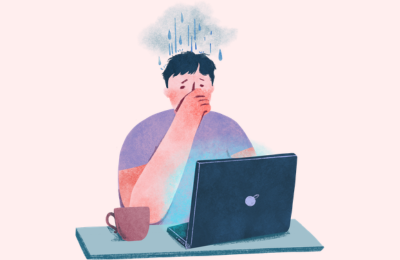
Have you ever agreed to something even when you were already exhausted? Perhaps you answered work messages after office hours, took on responsibilities you did not have the time for, or found yourself saying yes to plans because you did not want to disappoint someone.
These situations may seem small, but when they happen repeatedly, they can leave you feeling overwhelmed, emotionally drained and disconnected from your own needs.
This is where setting healthy boundaries becomes important. Boundaries are limits we establish to communicate what we are comfortable with, how we expect to be treated, and how much time and energy we can give to different responsibilities and relationships.
Learning to set mental health boundaries is not about shutting people out or avoiding responsibilities. It is about recognising your limits, respecting your needs and creating a healthier balance between your personal and professional life.
By understanding and practising healthy limits, you can protect your mental health, build stronger relationships and support your overall mental wellbeing.
Everyday responsibilities, expectations and relationships can place demands on our time and emotional energy. Without clear limits, it can become difficult to recognise when we are taking on more than we can manage.
Healthy boundaries help you understand what you can realistically give without consistently compromising your own needs.
They can support mental wellbeing in several ways:
Importantly, boundaries are not always about saying no. Sometimes, they involve asking for help, requesting more time or communicating what you need from someone.
It is not always easy to recognise when your limits are being crossed, especially when certain patterns have become part of your everyday routine.
However, some experiences may indicate that you need to reassess how much you are taking on.
You may notice that:
These experiences can also overlap with the signs of emotional burnout. If feelings of exhaustion, irritability or detachment persist, it may be worth paying closer attention to your stress levels and seeking support.
Recognising these patterns is an important first step towards understanding where healthier limits may be needed.
Before communicating boundaries to others, it helps to understand what your own limits look like. These can differ depending on your circumstances, relationships, responsibilities and emotional needs.
Start by reflecting on the following areas:
These questions can help you identify areas where clearer mental health boundaries may be useful.
Remember, your limits do not need to look like anyone else's. What matters is recognising what feels manageable and sustainable for you.
Setting boundaries can feel unfamiliar at first, particularly if you are used to prioritising other people's expectations. However, small and consistent changes can make the process easier.
Here are some practical ways to introduce healthier limits:
You do not have to accept every invitation, request or responsibility. If something does not fit into your schedule or capacity, communicate this respectfully. You can say, "I would like to help, but I cannot take this on right now."
Avoid making yourself available at all hours unless your role genuinely requires it. Communicate your working hours, take regular breaks and allow yourself time away from professional responsibilities.
Schedule time for activities that help you relax and recharge. Whether it is reading, exercising, spending time outdoors or simply doing nothing, personal time is an important part of mental wellbeing.
Rather than expecting others to understand what you are feeling, express your needs directly. For example, you could say, "I need some time to myself today. Can we speak tomorrow?"
Healthy relationships involve mutual understanding. Just as you expect others to respect your limits, make an effort to recognise and respect theirs.
These everyday practices can help you protect your mental health without withdrawing from relationships or responsibilities that matter to you.
Setting limits can be particularly challenging in relationships where your needs are repeatedly dismissed, your decisions are questioned or you feel pressured to behave in a certain way.
In such situations, maintaining emotional safety becomes especially important.
Consider these approaches:
It is important to remember that you cannot control how another person responds to your boundaries. You can, however, decide what you are comfortable accepting and what steps you need to take to look after yourself.
If a relationship involves threats, intimidation or abuse, prioritise your safety and seek appropriate support rather than relying on boundary-setting alone.
One of the biggest challenges of setting boundaries is dealing with the guilt that can follow.
You may worry about disappointing someone, appearing unhelpful or being misunderstood. If people are accustomed to you always being available, they may also react negatively when you begin communicating your limits.
However, saying no to a request does not mean you do not care about the person making it.
A few things can help:
Maintaining emotional safety also means allowing yourself to express discomfort without feeling that you must justify every decision.
Boundaries are not one-time decisions. They may need to change as your responsibilities, relationships and circumstances evolve.
What feels manageable today may not feel the same a few months from now. Regularly checking in with yourself can help you recognise when adjustments are needed.
You can maintain healthy limits by:
Over time, consistent mental health boundaries can help create a more sustainable routine, support mental wellbeing and strengthen your relationships.
While setting boundaries can help manage everyday stress, it may not always be enough to address persistent emotional difficulties.
Consider speaking to a mental health professional if you experience ongoing emotional exhaustion, anxiety, difficulty managing relationships or feelings of being overwhelmed that interfere with your daily life.
A therapist or counsellor can help you understand patterns in your relationships, identify emotional triggers and develop healthier ways of communicating your needs.
Seeking support can also help you work through the guilt or discomfort associated with setting limits and build greater confidence in maintaining them.
Remember, asking for help is not a sign of weakness. It is a meaningful step towards caring for yourself and creating healthier relationships.
Setting boundaries is an ongoing process of understanding your needs, communicating them clearly and recognising that your time and emotional energy matter.
You do not have to be available to everyone all the time, take responsibility for every problem or agree to things that leave you feeling overwhelmed.
Learning to establish healthy limits can help you protect your mental health while building relationships that are based on respect, understanding and mutual care. Small changes, practised consistently, can make a meaningful difference to your mental wellbeing.
If you are finding it difficult to manage your emotions, relationships or everyday stress, reaching out to a mental health professional can help.
Visit The Live Love Laugh Foundation's Find Help page to explore mental health professionals and support options: https://www.thelivelovelaughfoundation.org/find-help/
1. How to set boundaries to protect my mental health?
Start by identifying what makes you feel overwhelmed, uncomfortable or emotionally drained. Communicate your needs clearly, learn to say no when necessary and set realistic limits around your time, energy and responsibilities. Consistently practising these habits can help protect your mental health and support healthier relationships.
2. How to set boundaries with toxic family/friends?
Begin by recognising behaviours that make you uncomfortable, such as repeated criticism, manipulation or disregard for your needs. Communicate what you are no longer comfortable accepting and establish clear limits around interactions. If these limits are repeatedly ignored, consider reducing contact or seeking support from a mental health professional. If there is abuse or a threat to your safety, prioritise your safety and seek appropriate help.
3. Why do I feel guilty when I say no to people?
You may feel guilty because you are worried about disappointing others, being perceived as unhelpful or creating conflict. If you are accustomed to prioritising other people's needs, saying no can initially feel uncomfortable. However, recognising your own limits is not selfish. You can care about others while making space for your own needs.
4. How can I set boundaries without hurting someone's feelings?
Use calm, respectful and direct language when communicating your boundaries. Explain what you need without blaming the other person. For example, you could say, "I value our conversations, but I need some time to myself after work." While you can communicate thoughtfully, remember that you cannot control how someone responds to a reasonable boundary.
5. What should I do if someone keeps ignoring my boundaries?
If someone repeatedly ignores your boundaries, communicate your expectations clearly and explain what you will do if the behaviour continues. Follow through with appropriate actions, such as ending an uncomfortable conversation or limiting interactions. If the situation causes ongoing distress, consider speaking to someone you trust or a mental health professional.
6. How do I know if I have unhealthy boundaries?
Some signs of unhealthy boundaries include frequently agreeing to things you do not want to do, struggling to express your needs, feeling responsible for other people's emotions and allowing others to repeatedly disregard your personal space. You may also find it difficult to balance your responsibilities with your own needs. Recognising these patterns can help you identify where changes may be needed.
7. How can I say no without feeling selfish?
Remind yourself that your time, energy and needs matter too. Keep your response simple and respectful instead of feeling the need to overexplain. You could say, "I appreciate you asking, but I won't be able to take this on right now." Saying no to one request does not mean you do not care about the person.
8. Why is it so difficult for me to set boundaries with my family?
Family relationships often involve long-standing expectations, emotional attachments and a desire to avoid conflict. You may worry about disappointing loved ones or being misunderstood. Start with small, manageable boundaries and communicate your needs calmly. Remember that maintaining healthy family relationships does not mean overlooking your own emotional needs.
9. How do I protect my mental health when someone constantly drains my energy?
Pay attention to how interactions with the person affect your emotional wellbeing. Consider limiting the time you spend in difficult conversations, communicating what you are comfortable discussing and making time for activities that help you recharge. You can also seek support from trusted people or a mental health professional if these interactions continue to affect your daily life.
10. Can setting boundaries improve my mental wellbeing?
Yes. Healthy boundaries can help reduce everyday stress, prevent emotional exhaustion and create a better balance between personal and professional responsibilities. They also encourage mutual respect, clearer communication and healthier relationships. Over time, setting and maintaining boundaries can support emotional wellbeing and help you develop a greater understanding of your needs.