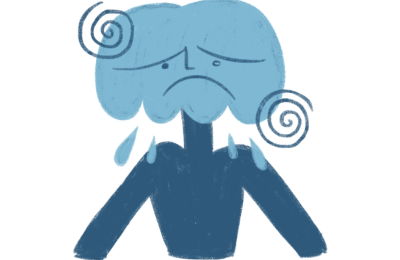
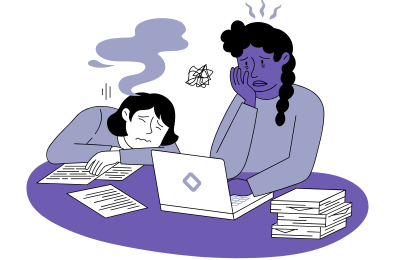
Stress is your body’s natural reaction to pressure. It shows up when you’re dealing with a challenge or demand, like preparing for a presentation, meeting a deadline, or managing responsibilities at home or work.
Common stress symptoms might include irritability, muscle tension, headaches, or sleep problems. The key thing about stress is that it usually has a trigger. Once the situation passes, the feeling often eases.
However, when stress doesn’t go away and becomes ongoing, it turns into chronic stress. This can happen if someone is dealing with long-term financial pressure, a demanding job, or unresolved personal challenges. Chronic stress can wear down your body over time, leading to fatigue, burnout, and even cause physical health issues.
For example, imagine someone working under constant deadlines with no real break. At first, they feel pressured but motivated. Over time, that pressure doesn’t lift, and they start feeling drained all the time. That’s chronic stress taking hold.
Anxiety goes a step further. It’s not always tied to a specific event, and it can persist even when things seem “fine” on the surface.
Typical anxiety symptoms include excessive worry, restlessness, a racing heart, or a constant sense of unease. Unlike stress, anxiety can stick around long after a stressful event has passed, or it can even appear without a clear reason.
When anxiety becomes chronic, it can feel like your mind is always scanning for problems, even when there aren’t any immediate threats. This kind of ongoing anxiety can interfere with focus, relationships, and daily functioning.
Take a student who has already finished their exams but still feels uneasy, constantly worrying about results or future outcomes. That lingering feeling is closer to anxiety. When this pattern continues for weeks or months, it reflects chronic anxiety rather than a temporary response.
Stress and anxiety are closely connected. In many cases, prolonged stress can lead to anxiety. When your body stays in a constant state of alertness, it becomes harder to relax, and your mind may start expecting problems even when none are present.
This is especially noticeable in anxiety in students, where academic pressure begins as stress but gradually turns into ongoing worry about performance, expectations, or future plans.
Key Differences That Matter
The biggest difference lies in duration and cause.
Stress:
Anxiety:
For instance, someone dealing with workplace stress and anxiety might initially feel pressure from deadlines or workload. But if they begin to feel uneasy all the time, even outside work hours, and struggle to switch off, anxiety may have developed alongside or beyond the stress.
1. The Student Under Pressure
A college student preparing for exams may feel stressed about studying and deadlines. That’s expected. But if the same student continues to feel overwhelmed weeks later, constantly worrying about their abilities or future, it reflects anxiety in students rather than just stress.
2. The Working Professional
An employee juggling multiple responsibilities may feel tense and mentally exhausted. That’s stress. But if they begin to feel a constant sense of dread about work, even during weekends, anxiety may be playing a role.
3. The Caregiver
Someone caring for a family member may feel stress from responsibility. If they later find themselves unable to relax and always expecting something to go wrong, even during calm moments, that could signal anxiety.
There’s no perfect formula, but steady, realistic steps can help.
1. Recognize What You’re Feeling
Pause and ask: Is there a clear trigger? Or has this been lingering without one?
2. Focus on What You Can Control
If you’re wondering how to manage stress effectively, start small. Break tasks into manageable pieces and focus on one step at a time.
3. Build Supportive Routines
Consistent sleep, regular meals, and some form of movement can help your body regulate itself.
4. Create Breathing Space
Short breaks, quiet moments, or even stepping away from screens can help reduce mental overload.
5. Talk to Someone
Sharing your thoughts with a trusted person can make the experience feel less heavy.
6. Seek Professional Help if Needed
If anxiety becomes overwhelming or persistent, professional support can help you understand and manage it better.
Stress and anxiety aren’t signs that something is wrong with you. They’re signals that something needs attention. When they become chronic, they’re asking for a deeper level of care.
You don’t need to fix everything at once. Even small changes in how you respond can make a difference over time.
1. Can stress become chronic?
Yes. When stress continues over a long period without relief, it becomes chronic and can affect both mental and physical health.
2. How is chronic anxiety different from regular anxiety?
Chronic anxiety is persistent and ongoing, often without a clear trigger, and can interfere with daily life more significantly.
3. Can stress lead to anxiety?
Yes. Long-term stress can increase the likelihood of developing anxiety.
4. Are stress and anxiety treated the same way?
Some coping strategies may be similar, but anxiety may require more focused approaches, including therapy or professional support.
5. What’s one simple way to start coping?
Start by identifying what you’re feeling and taking one small, manageable step, like organizing a task or taking a short break.
Understanding the difference between stress and anxiety doesn’t remove them completely. But it helps you respond with more clarity and care, which can make a real difference over time.