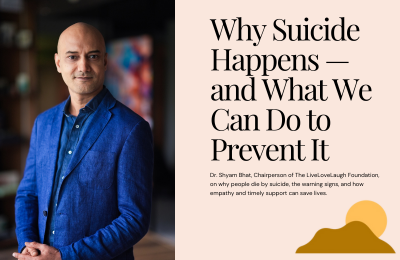
Mental health helplines provide immediate, confidential emotional support to individuals experiencing distress, anxiety, depression, or crisis. In moments when people feel overwhelmed or unsafe, helplines offer timely intervention, often becoming the first step from distress to relief.
In a country like India, where stigma and limited access to mental healthcare persist, mental health helplines in India play a critical role in saving lives, offering reassurance, and guiding individuals toward long-term care.
Mental health helplines matter because help cannot wait.
Emotional distress does not follow office hours. Panic attacks, suicidal thoughts, or emotional breakdowns often occur late at night, during exams, after personal loss, or in moments of isolation.
Mental health helplines provide:
For many people - especially students and young adults - a helpline is the first time they say out loud, “I am not okay.”
What do mental health helplines actually do?
Mental health helplines connect callers with trained professionals or volunteers who listen, support, and guide without judgment.
They help by:
A simple example:
A college student experiencing exam anxiety and sleeplessness may hesitate to visit a therapist. Calling a helpline allows them to:
Sometimes, one conversation can prevent a crisis from escalating.
Why are mental health helplines in India so important?
India faces a large treatment gap due to stigma, lack of awareness, cost, and shortage of professionals—especially in rural areas.
Mental health helplines in India help bridge this gap by:
These helplines provide critical, immediate mental health support when individuals need it most.
How do NGOs strengthen mental health support systems?
NGOs play a vital role by ensuring helplines are ethical, trained, and accessible.
They support mental health through:
Foundations like The Live Love Laugh Foundation amplify awareness, curate credible resources, and help normalize conversations around mental health - especially for young people.
Are mental health helplines a replacement for therapy?
No, and they are not meant to be. Therapy sessions and mental health helplines serve different yet complementary roles in mental healthcare.
Therapy sessions are designed for
Mental health helplines, on the other hand, exist for the moment when support is needed right now. They offer
Think of mental health helplines as the first door - open, accessible, and immediate. Therapy is the longer journey that follows, offering deeper healing over time.
Do mental health helplines actually help?
Yes. Research and lived experiences show that helplines:
For many callers, a helpline is not just a conversation—it is hope at a critical moment.
Step-by-Step: What Happens When You Call a Helpline?
There is no pressure, no diagnosis, and no obligation.
Mental health helplines are not a last resort - they are a lifeline.
In India, where mental health awareness is still growing, mental health helplines India offer immediate, accessible, and stigma-free support. They complement therapy, support NGOs’ outreach efforts, and ensure that no one has to suffer in silence.
By spreading awareness, integrating helplines into schools, colleges, workplaces, and communities, and encouraging open conversations, we can move closer to a society where mental health is treated with urgency, care, and compassion.
Help should be easy to reach and helplines make that possible.
For more information, visit The Live Love Laugh Foundation’s list of mental health helplines.
Q1: What are mental health helplines?
Mental health helplines are confidential support services that provide immediate emotional assistance to people experiencing stress, anxiety, depression, or crisis. They are usually staffed by trained professionals or volunteers who listen, offer emotional support, and guide callers toward further mental health care if needed.
Q2: Why are mental health helplines important in India?
Mental health helplines are important in India because many people face stigma, lack access to care, or cannot afford therapy. Helplines bridge this gap by offering free, anonymous, and immediate support, especially in emergencies, remote areas, or moments when professional help is not easily available.
Q3: Are mental health helplines free in India?
Yes. Most mental health helplines in India are free of cost. They are often run by NGOs and foundations to ensure that financial constraints do not prevent individuals from seeking mental health support.
Q4: How to get mental health help in India?
You can get mental health help in India by:
If you are in distress and need immediate support, contacting a mental health helpline can be the fastest and safest way to get help.