Social media is a huge part of teenage life. It helps young people stay connected with friends, discover new interests, express themselves, and access information instantly. But while these platforms offer many benefits, they can also create challenges that are easy to overlook. The relationship between social media and mental health is complex, and every teenager experiences it differently.
For some, scrolling through social media is simply entertainment. For others, it can become a source of pressure, comparison, loneliness, or anxiety. Understanding how online experiences affect emotional wellbeing can help teens and parents create healthier digital habits without feeling like they have to disconnect completely.
The connection between social media and mental health isn't simply good or bad. Social platforms can provide a sense of belonging, especially for teens who may struggle to find supportive communities in everyday life. They can inspire creativity, encourage learning, and make it easier to stay connected with friends and family.
At the same time, social media often presents carefully curated versions of people's lives. Filters, editing tools, and highlight reels can create unrealistic expectations about appearance, success, friendships, and happiness. When teenagers compare their everyday reality to someone else's polished online image, it can gradually affect their confidence and emotional wellbeing.
The effects of social media on mental health depend on how platforms are used and how much time is spent on them.
On the positive side, social media allows teens to explore hobbies, join supportive communities, learn new skills, and connect with others who share similar experiences. It can also encourage important conversations about wellbeing and reduce feelings of isolation.
However, there are also significant challenges. One of the biggest concerns is constant comparison. Seeing influencers or peers who appear to have perfect bodies, lifestyles, or achievements can make teenagers question their own worth. Over time, this negative self-comparison may contribute to low self-esteem, anxiety, and body image concerns.
Cyberbullying is another serious issue. Unlike traditional bullying, online harassment can happen at any time and may feel impossible to escape. Hurtful comments, exclusion from online groups, or public humiliation can leave lasting emotional effects and increase feelings of loneliness or depression.
Another growing concern is unrestricted access to online spaces that promote unhealthy behaviours, misinformation, or harmful communities. Without guidance or moderation, vulnerable teenagers may encounter content that negatively influences their mental wellbeing.
These are just some of the effects of social media on mental health that highlight why balance and awareness matter.
Teenage years are already a time of developing identity and confidence. Social media can amplify insecurities by encouraging constant comparison with unrealistic standards.
A photo that receives fewer likes than expected or seeing friends spending time together without you can trigger feelings of rejection or self-doubt. Even when teens understand that images are filtered or staged, repeated exposure can still influence how they see themselves.
Digital addiction can also develop gradually. Endless scrolling, notifications, and personalised content are designed to keep users engaged. As screen time increases, activities that support emotional wellbeing, such as exercising, spending time outdoors, pursuing hobbies, or meeting friends in person, often become less frequent.
Sleep can also suffer. Using phones late into the evening exposes the brain to stimulating content and blue light, making it harder to fall asleep. Poor sleep affects mood, concentration, and emotional regulation, creating a cycle where stress and social media use reinforce each other.
Not every teenager will openly talk about how social media makes them feel. Recognising early warning signs can help parents, teachers, and young people identify when online habits may be becoming unhealthy.
Some common signs include:
If these behaviours become frequent or begin affecting daily life, it may be time to reassess digital habits and seek support if needed.
Healthy social media use isn't about deleting every app. It's about creating boundaries that protect your wellbeing.
Setting daily screen time limits can reduce mindless scrolling and create more space for offline activities. Curating your feed by unfollowing accounts that make you feel inadequate and following creators who promote realistic, positive content can also improve your online experience.
Making time for face-to-face conversations, sports, creative hobbies, and regular exercise helps maintain balance. Avoiding screens before bedtime can improve sleep quality, while taking occasional breaks from social media allows your mind to reset.
Most importantly, remember that what you see online is rarely the full picture. People's struggles, failures, and ordinary moments often remain hidden behind carefully selected posts.
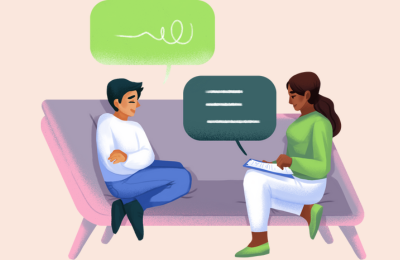
If social media is affecting your mood, confidence, or daily life, you don't have to deal with it alone. Reaching out to a trusted adult, parent, teacher, school counsellor, or mental health professional can make a real difference.
Accessing mental health support early can help teenagers develop healthier coping skills before problems become overwhelming. Friends can also play an important role by checking in with one another and encouraging open conversations without judgement.
Seeking mental health support is not a sign of weakness. Everyone needs help sometimes, and talking about difficult emotions is an important step towards feeling better.
Building healthier online communities starts with education and open conversations. Increasing mental health awareness helps teenagers recognise when social media is having a negative impact and encourages them to prioritise their wellbeing without shame.
Schools, families, and online platforms all have a role to play by creating safe environments where young people feel comfortable discussing their experiences. Improving mental health awareness also helps reduce stigma around seeking help and reminds teens that their value is not measured by followers, likes, or online approval.
Social media is likely to remain part of everyday life, but it doesn't have to define how teenagers feel about themselves. With healthy habits, supportive relationships, and balanced screen use, young people can enjoy the benefits of social media while protecting their emotional wellbeing.
Can social media increase anxiety or depression in teenagers?
Yes. For some teenagers, excessive social media use, cyberbullying, unrealistic comparisons, and constant pressure to stay connected can contribute to increased anxiety, low mood, or symptoms of depression. Every teen is different, but maintaining healthy digital habits can reduce these risks.
How much social media is too much for teens?
There isn't a universal time limit, but if social media starts interfering with sleep, schoolwork, relationships, physical activity, or emotional wellbeing, it may be time to reduce screen time and establish healthier boundaries.
What are the signs that social media is affecting my mental health?
Some common signs include feeling anxious after scrolling, constantly comparing yourself to others, disrupted sleep, withdrawing from offline activities, low self-esteem, mood changes, or feeling dependent on online validation.
Where can teens find mental health support if social media is impacting their wellbeing?
Teens can seek support from parents, trusted family members, teachers, school counsellors, GPs, licensed mental health professionals, or youth mental health organisations. Talking to someone early can help prevent small concerns from becoming more serious.