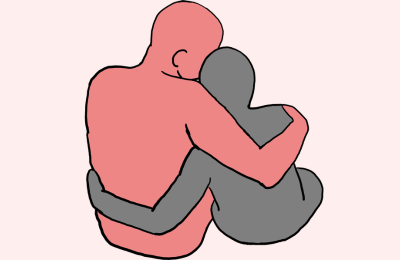
Mental health conditions affect millions of people worldwide, yet many continue to go unnoticed - particularly among men. According to the World Health Organization (WHO), more than 322 million people were living with depression globally in 2015. Depression and anxiety are also estimated to cost the global economy nearly one trillion US dollars each year due to lost productivity.
Despite this, men are diagnosed with depression less frequently than women. However, this does not necessarily mean that men experience these conditions less often. Instead, depression and anxiety in men are frequently overlooked because symptoms may appear differently, societal expectations discourage emotional expression, and many hesitate to seek support.
Understanding these differences is essential for early intervention and better outcomes.
Recognising depression and anxiety in men can be challenging because symptoms often differ from the commonly recognised signs. Instead of expressing sadness or openly discussing emotional distress, many men experience changes in their physical health, behaviour, or relationships.
One of the most overlooked signs of anxiety in men is the presence of persistent physical symptoms without an obvious medical cause. These may include:
These symptoms are often psychosomatic - physical manifestations of emotional distress. As a result, treatment may focus only on relieving headaches, stomach issues, or sleep disturbances while the underlying mental health condition remains unaddressed.
Behavioural changes can also be significant indicators. Another common sign of anxiety in men includes increased irritability, anger, frustration, or emotional outbursts. Instead of appearing withdrawn or tearful, some men become easily agitated or aggressive. In severe cases, unmanaged emotional distress may even contribute to conflict within relationships.
Risk-taking behaviours are another important warning sign. Men experiencing depression or anxiety may:
These behaviours often serve as unhealthy coping mechanisms rather than intentional choices.
Because these symptoms do not always match traditional perceptions of depression, family members, employers, and even healthcare providers may miss the underlying cause. Greater awareness helps people identify emotional distress earlier and encourages appropriate treatment before symptoms worsen.
Recognising these warning signs is the first step towards recovery. The sooner mental health concerns are identified, the sooner individuals can receive effective support and care.
Even when men recognise that something feels wrong, many delay seeking professional support. This hesitation is rarely because they do not need help - it is often influenced by deeply rooted social expectations.
Across many cultures, boys are taught from an early age to remain strong, independent, and emotionally controlled. Expressions such as "man up," "be strong," or "don't cry" reinforce the idea that vulnerability is a weakness. Over time, many men learn to suppress emotional distress instead of acknowledging it.
As a result, symptoms of depression or anxiety may be minimised or ignored. Rather than saying they feel hopeless or overwhelmed, men may describe themselves as stressed, exhausted, or simply "not themselves." Some convince themselves that the problem will disappear with time, while others immerse themselves in work or distractions to avoid confronting difficult emotions.
Fear of stigma is another major barrier. Many worry that discussing their mental health could negatively affect:
These concerns often prevent individuals from accessing treatment until symptoms become severe.
Knowing how to overcome anxiety begins with recognising that seeking support is a sign of self-awareness-not weakness. Speaking with a trusted family member, friend, or qualified mental health professional can make a meaningful difference. Early intervention often leads to better recovery and prevents symptoms from becoming more difficult to manage.
For those unsure where to begin, reaching out to a trusted helpline for anxiety can provide immediate guidance, emotional support, and information about available mental health services.
Recovery from depression and anxiety is possible, especially when individuals receive timely care and ongoing support. Families, workplaces, schools, healthcare providers, and communities all have an important role in creating environments where men feel safe discussing their mental health.
One of the most effective ways to support men's mental health is by normalising conversations around emotional wellbeing. Encouraging open discussions helps challenge stereotypes that discourage men from expressing vulnerability. Listening without judgement, validating emotions, and checking in regularly can help someone feel seen, heard, and supported.
Seeking help is an important part of recovery. Mental health professionals can assess symptoms and recommend evidence-based treatments such as psychotherapy, medication (when appropriate), or a combination of approaches. Every recovery journey is different, and treatment should always be tailored to individual needs.
People often search for how to overcome anxiety, hoping for a quick solution. In reality, recovery is a gradual process that becomes more manageable with the right support and professional guidance.
Alongside professional care, healthy lifestyle habits can play a valuable role in improving overall mental wellbeing. These include:
While these habits can support recovery, they are not a substitute for professional treatment when symptoms persist or interfere with daily life.
For someone experiencing emotional distress, knowing where to turn can make all the difference. A trusted helpline for anxiety can offer immediate emotional support, guidance, and information on accessing mental health services. If symptoms become overwhelming, reaching out to a qualified mental health professional or a helpline for anxiety can be an important first step towards recovery.
Creating lasting change requires challenging outdated beliefs that prevent men from expressing emotions or asking for help. Recognising that anyone can experience depression or anxiety - regardless of age, profession, or background - helps foster empathy and encourages earlier intervention.
If you or someone you know has been feeling persistently overwhelmed, anxious, or emotionally distressed, remember that help is available. Reaching out to a mental health professional or a helpline for anxiety could be the first step towards recovery.
How can family and friends support a man with depression or anxiety?
Supporting someone with depression or anxiety begins with listening without judgement. Encourage open conversations, check in regularly, and avoid dismissing their feelings or telling them to "stay strong." Offer practical support, encourage them to seek professional help if needed, and remind them that asking for help is a sign of strength, not weakness.
Can work-related stress contribute to depression and anxiety in men?
Yes. Ongoing workplace stress, long working hours, job insecurity, financial pressures, and poor work-life balance can all contribute to depression and anxiety. While stress alone does not always lead to a mental health condition, chronic stress can increase the risk, especially when combined with a lack of support or healthy coping strategies.
What coping strategies can help men manage depression and anxiety?
Healthy coping strategies include maintaining a regular sleep schedule, engaging in physical activity, eating a balanced diet, practising mindfulness or relaxation techniques, staying connected with supportive people, and limiting alcohol or substance use. While these habits can support mental well-being, persistent symptoms should be assessed by a qualified mental health professional, who can recommend appropriate treatment.
Are younger and older men affected differently by depression and anxiety?
Yes. Younger men may experience depression or anxiety alongside academic pressure, career uncertainty, relationship challenges, or social media influences. Older men may be more affected by retirement, physical health conditions, loneliness, caregiving responsibilities, or bereavement. Although the underlying conditions are similar, the triggers and the way symptoms appear can vary across different stages of life.
How can men start a conversation about their mental health?
Starting the conversation does not have to be complicated. A man can begin by speaking to someone they trust, such as a family member, friend, colleague, or mental health professional. Simple statements like, "I've been feeling overwhelmed lately," or "I'm not feeling like myself and I'd like to talk," can open the door to support. Taking the first step towards sharing how you feel can make it easier to access the help you need.