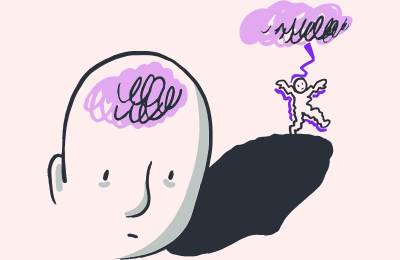
Anxiety can show up in different ways. It might feel like worrying about an upcoming meeting long after you've prepared for it, replaying a conversation in your head, or constantly thinking about things that could go wrong. Sometimes, even when everything seems fine, your mind may struggle to switch off.
While anxiety is a common emotional response to uncertainty or stressful situations, persistent anxiety can begin to affect your sleep, relationships, work and everyday life. Finding ways to manage anxiety is not just about calming yourself during difficult moments. It is also about understanding what affects your mental well-being and building habits that help you navigate everyday challenges.
Long-term anxiety management is a gradual process. It involves recognising patterns, making sustainable lifestyle changes and knowing when to seek professional help. Here are some practical steps that can help.
Anxiety is the body's natural response to situations perceived as stressful or threatening. However, when feelings of fear, worry or uneasiness become persistent, they can interfere with everyday activities.
Some common signs of anxiety include excessive worrying, restlessness, difficulty concentrating, muscle tension, sleep disturbances and a racing heartbeat. These experiences may vary from person to person and can become more noticeable during stressful periods.
Managing anxiety long term requires understanding that there is no single solution that works for everyone. While certain habits may help reduce everyday anxiety, persistent symptoms may require professional attention. The goal is not to eliminate every anxious thought but to develop healthier ways of responding to it.
Have you noticed that certain situations make you feel more anxious than others? It could be an approaching deadline, financial uncertainty, social interactions or even a change in your daily routine.
Identifying these patterns and signs of anxiety is an important first step towards understanding your emotional responses.
Here are a few ways to recognise your triggers:
Understanding your triggers does not mean you can avoid every uncomfortable situation. Instead, it helps you prepare for challenging moments and identify the kind of anxiety support that may be useful.
Small, consistent changes in your daily routine can support your mental well-being. Rather than attempting to change everything at once, start with habits that feel realistic and manageable.
Consider incorporating these practices:
These habits are not instant solutions, but practising them consistently can make everyday challenges feel more manageable.
Anxiety often involves thinking about situations that have not happened yet. You might repeatedly imagine the worst possible outcome or replay something you said during a conversation.
While it may feel difficult to interrupt these patterns, learning to respond differently to anxious thoughts can help.
Try these techniques:
Remember, coping with anxiety does not mean forcing yourself to think positively all the time. It means learning to recognise anxious thoughts without automatically believing or acting on them.
Different situations call for different coping strategies. What helps you feel calmer during a stressful workday may not be what you need when you are feeling overwhelmed at home.
Some strategies you can explore include:
The key to managing anxiety long term is finding strategies that work for you and practising them regularly, rather than waiting until you feel overwhelmed.
Everyday responsibilities can gradually contribute to emotional exhaustion, particularly when there is little time to rest or recharge.
Start by identifying areas of your routine that feel unnecessarily overwhelming.
These changes may seem small, but they can reduce some of the everyday pressures that contribute to anxiety.
You do not have to navigate anxiety on your own. Having people you trust can make it easier to talk about difficult emotions and feel understood.
Consider reaching out to a friend, family member or someone you feel comfortable speaking with. You do not always need advice or solutions. Sometimes, having someone listen without judgement can make a difference.
You can also explore support groups where people share similar experiences. Connecting with others can help reduce feelings of isolation and introduce you to different perspectives and coping strategies.
Building a support system is an important part of long-term anxiety management. Remember that asking for help is not a sign of weakness.
If anxiety continues to affect your relationships, work, sleep or ability to carry out everyday activities, consider speaking to a mental health professional.
A psychologist, therapist or psychiatrist can help you understand your experiences and recommend appropriate treatment. Depending on your needs, this may include psychotherapy, medication or a combination of approaches.
Cognitive Behavioural Therapy (CBT), for instance, can help individuals recognise unhelpful thought patterns and develop healthier responses to challenging situations.
Professional anxiety support can also help you identify triggers, build coping skills and work through underlying concerns. If you are already receiving treatment, continue following your mental health professional's guidance and discuss any changes in your symptoms.
Seeking help early can make it easier to understand what you are experiencing and explore suitable treatment options.
There is no universal approach to managing anxiety. Your needs, triggers and circumstances may change over time, so your approach should be flexible too.
Start by creating a simple plan that includes:
Remember that progress may not always be linear. There may be days when anxiety feels more difficult to manage, and that does not mean you have lost the progress you have made.
Learning to manage anxiety is an ongoing journey, not a one-time achievement. Some days may feel easier than others, and finding the right combination of habits, coping strategies and support can take time.
Start small, be patient with yourself and remember that you do not have to figure everything out alone. If anxiety is affecting your everyday life, reaching out to a mental health professional can be an important step forward.
Looking for professional help? Visit The Live Love Laugh Foundation's Find Help page to explore mental health professionals who can support you.
1. Why does my anxiety keep coming back?
Anxiety can return when you encounter familiar stressors, experience changes in your routine or face situations that trigger worry. Even when you have developed healthy coping strategies, certain experiences may bring anxious feelings back. This does not mean you have lost your progress. Understanding your triggers and continuing to practise healthy habits can help you manage these feelings.
2. How can I stop overthinking all the time?
Start by recognising when your thoughts become repetitive. Try writing down your concerns, questioning whether they are based on facts and focusing on what you can control. Mindfulness, grounding exercises and setting aside specific time to address worries can also help reduce overthinking.
3. What daily habits can help me manage anxiety?
Maintaining a regular sleep schedule, eating balanced meals, exercising, staying hydrated and taking breaks throughout the day can support your mental well-being. Making time for activities you enjoy and limiting excessive screen time can also help. Consistency matters more than making several changes at once.
4. How do I identify what is triggering my anxiety?
Pay attention to situations, thoughts or experiences that tend to make you feel anxious. Keeping a journal can help you track when anxiety occurs, what happened beforehand and how you responded. Over time, you may notice patterns that help you understand your triggers and prepare for challenging situations.
5. What can I do when my usual anxiety coping strategies stop working?
It is normal for coping strategies to feel less effective at different points in your life. Your circumstances and needs may have changed. Try exploring other techniques, revisiting your daily routine or speaking to a mental health professional. If you are receiving treatment, discuss these changes with your therapist or psychiatrist.
6. Can anxiety get better without going away completely?
Yes. Managing anxiety does not necessarily mean never experiencing anxious feelings again. Progress can mean feeling better equipped to handle uncertainty, recovering more easily from stressful situations and continuing with everyday activities even when anxiety arises. With the right strategies and support, anxiety can become more manageable.
7. How can I manage anxiety while working or studying?
Break larger tasks into smaller, manageable steps and prioritise what needs your attention. Take regular breaks, practise grounding techniques when you feel overwhelmed and set realistic expectations for yourself. Maintaining boundaries between work, study and personal time can also help reduce stress.
8. How do I create a routine that helps with anxiety?
Start with a few simple habits, such as waking up at a consistent time, eating regular meals, incorporating physical activity and setting aside time to relax. Include activities that help you feel grounded and connected. Build your routine gradually and allow flexibility for days when things do not go as planned.
9. When should I seek professional support for anxiety?
Consider seeking professional support if anxiety is persistent, difficult to manage or begins affecting your sleep, relationships, work or studies. A mental health professional can help you understand your experiences and explore suitable treatment options, including therapy or medication where appropriate. You do not have to wait until anxiety becomes overwhelming to ask for help.